The AI Leaders AI Leverage Report, October 2026 from Open Future Forum describes a production picture that marketing decks rarely show: AI agents in production are already common, but operating control often lags. Of 75 respondents who answered the fleet question, 80 percent reported at least one production agent; 29 percent reported more than twenty. Among the 60 respondents who both ran at least one agent and answered the cost question, only 30 selected "full real-time cost visibility"—the rest had partial visibility or none.
Those figures do not prove that every reported agent is autonomous, reliable, or delivering ROI. The survey is self-reported. What matters for operations leaders is the shift in the question: not "do we have agents?" but "which agents are running, who owns them, what data they touch, and what they cost per accepted outcome?"
From demos to fleets: what changed in 2026
Gartner places agentic AI at the Peak of Inflated Expectations on the 2026 Hype Cycle for Agentic AI. The 2026 Gartner CIO and Technology Executive Survey found that only 17 percent of organisations have deployed AI agents so far, yet more than 60 percent expect to do so within two years—the most aggressive adoption curve among emerging technologies measured in that survey. A separate Gartner projection (August 2025) estimated that up to 40 percent of enterprise applications would include task-specific agents by the end of 2026, up from less than 5 percent at the time of that release.
Together, those signals explain the tension on the ground: high ambition, while supporting capabilities (agent governance, agent security, FinOps for agentic AI) are still catching up. Many organisations have left chatbot demos behind. What reaches production is usually narrow: document extraction, ticket routing, cited summarisation, or limited multi-step orchestration inside one application. As counts rise, the problem shifts from "which model is best" to "how do we operate a fleet without cost and access blind spots."
Production bottlenecks: not just the model
Open Future Forum asked about production bottlenecks (multi-select, base 75). The most-named items were:
- Data access and quality — 39 percent
- Compute — 29 percent
- Integration with existing systems — 28 percent
- Inference cost — 25 percent
- Governance and approval — 21 percent
- Agent identity and permissions — 15 percent
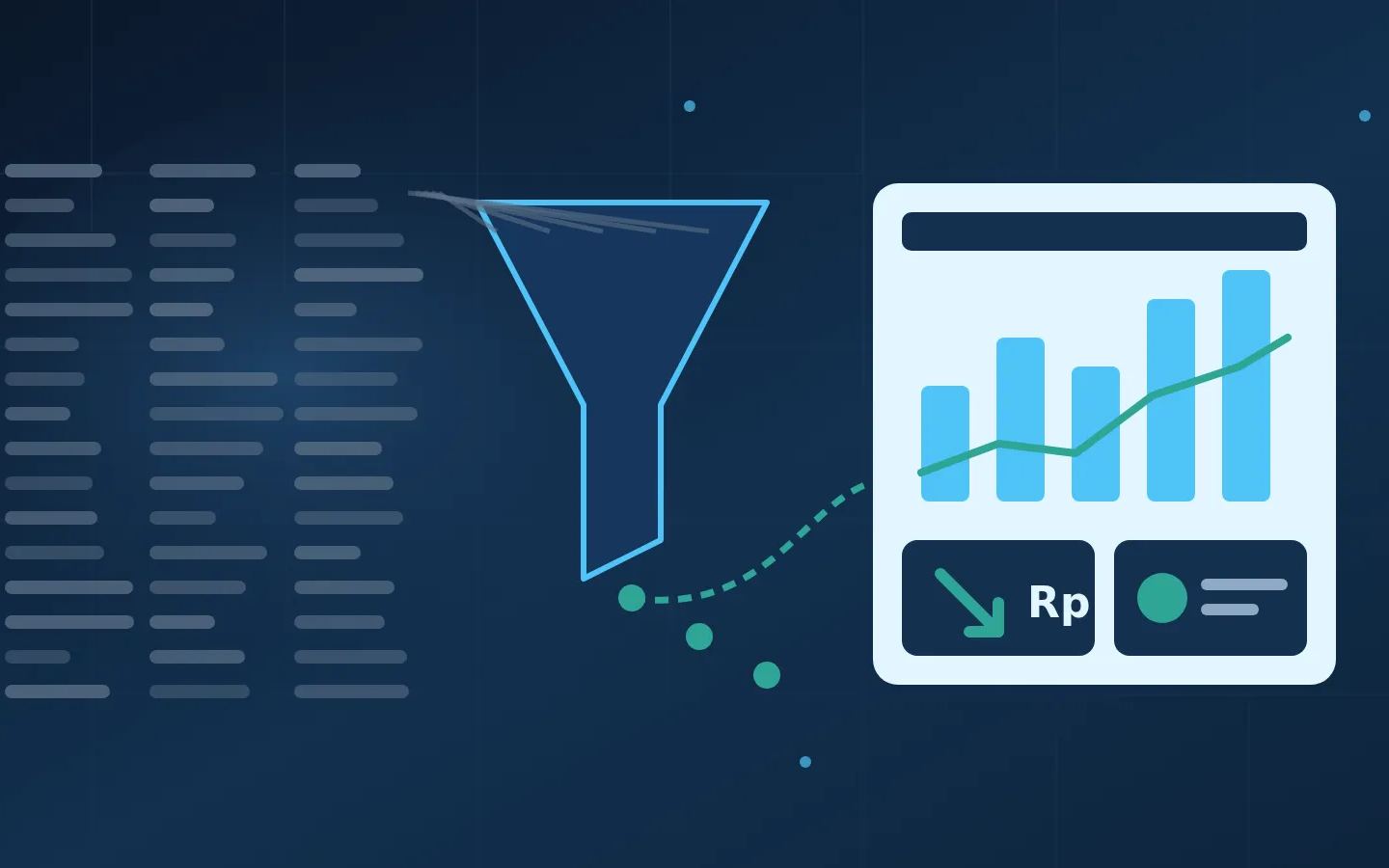
The pattern is clear: model selection is not the core production problem. The hard parts are data agents can use safely, integration paths that can be audited, and cost that can be reconciled to a business unit of work—not only a monthly token invoice.
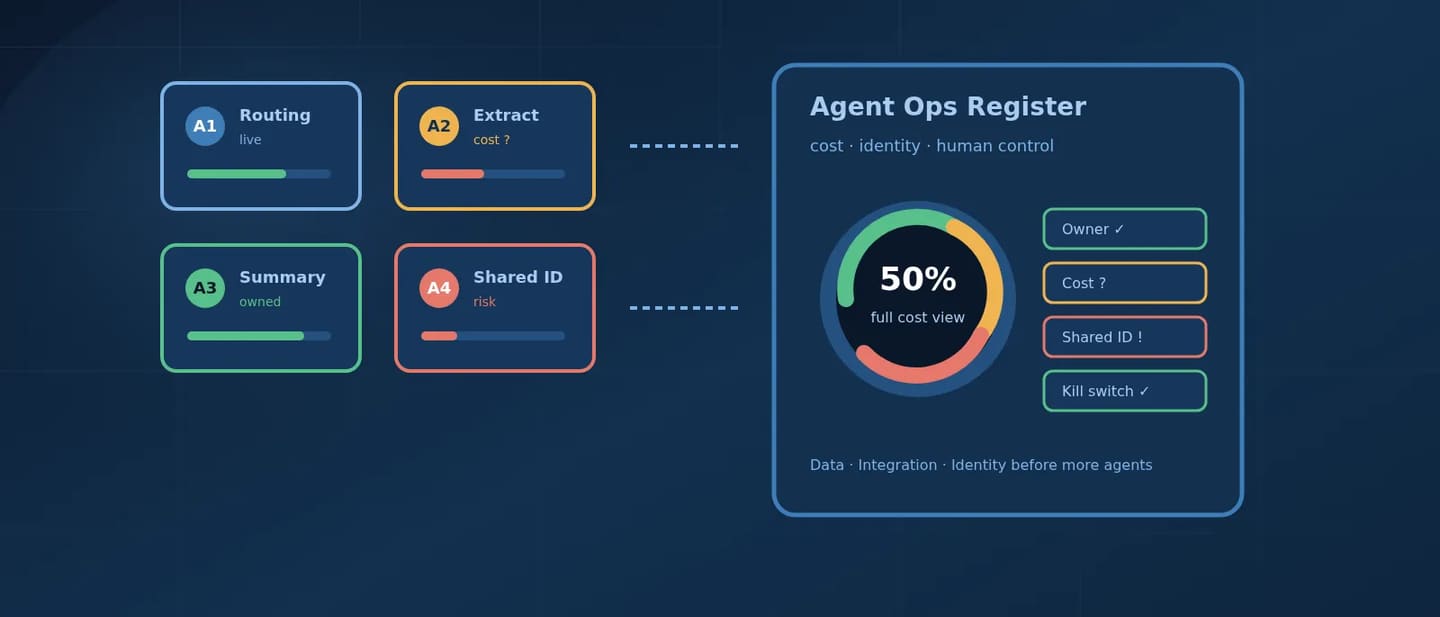
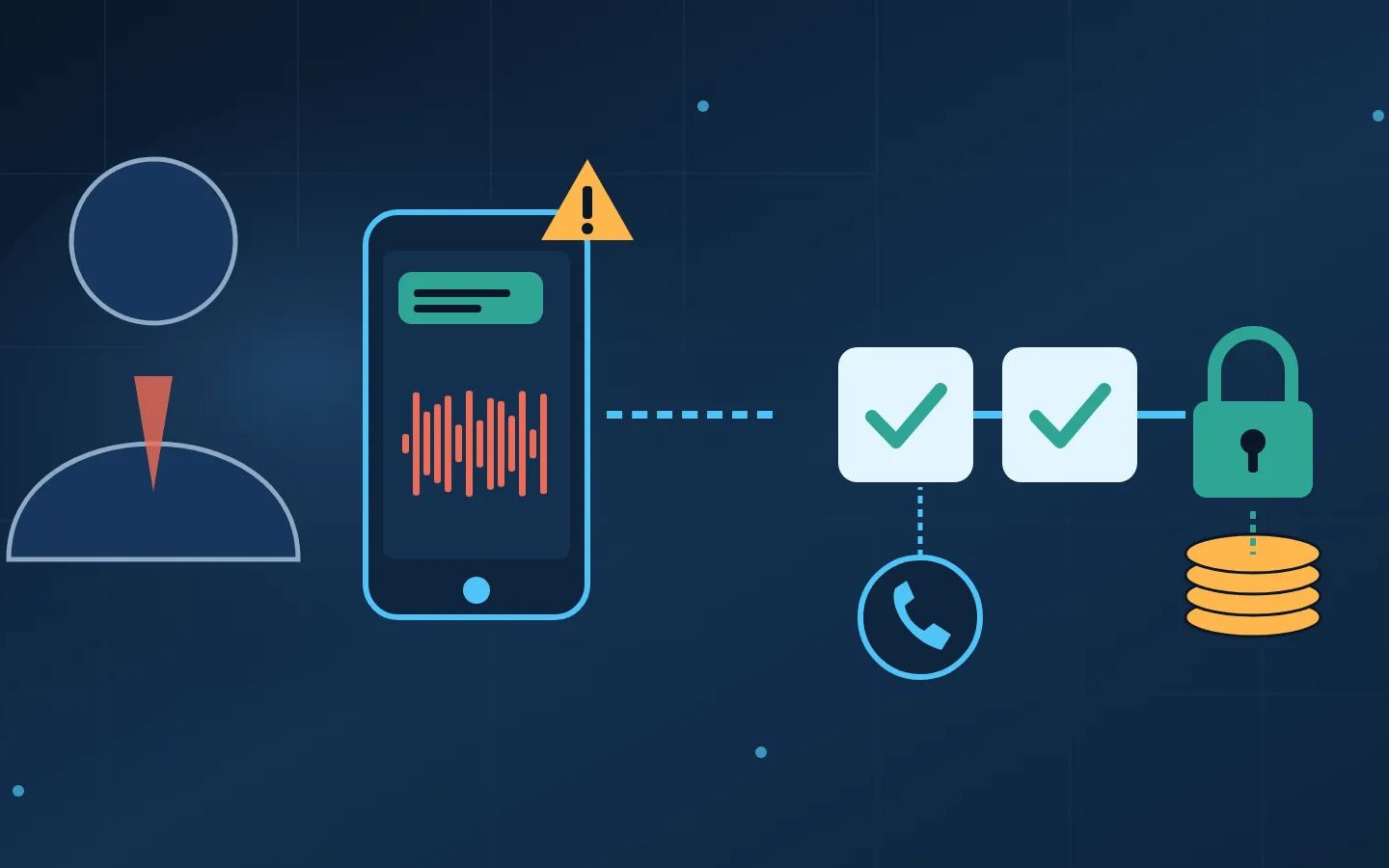
How agents reach enterprise data also shows operational risk. Among 49 applicable responses, 49 percent used per-agent credentials, while 37 percent still used shared service accounts. Shared accounts weaken attribution: if an agent misbehaves or data leaks, it is hard to revoke one agent without stopping others.
A control register: one row per material agent
The same report offers a practical template—not a survey result, but an operating recommendation. Complete one row for every material production agent, then reconcile it with finance, security, and the business owner:
- Agent identity and version (model, deployment)
- Business workflow served and intended outcome
- Business owner and technical owner
- Identity method (per-agent, shared, delegated, or brokered)
- Data and system scope the agent may reach
- Cost record (cost centre, unit of work, visibility status)
- Service evidence (quality, reliability, exceptions)
- Human path: review, override, escalation
- Last review date and open exceptions
Without a shared identifier, the CFO sees a platform invoice, the CISO sees a service account, and the business unit sees a workflow name—three accurate records that cannot be joined when an incident or budget challenge arrives.
What this means for organisations in Indonesia
For companies, local government, regional SOEs (BUMD), healthcare facilities, local finance, and logistics in Indonesia, the same pressures already show up in procurement and sector rules: a human remains the final decision-maker in many contexts, data must be traceable, and critical systems must not depend on demos without written acceptance criteria. Three practical steps align with how MarkasDev works:
Diagnose. Inventory agents and model-based automation already running—including those buried in SaaS licences. Map owners, data touched, and whether cost is visible per workflow. A paid Diagnose is useful before you add more agents, not after the invoice grows. See also when organisations typically need Diagnose before building.
Deliver. Every new agent needs written acceptance criteria: task scope, accepted resolution rate, human escalation path, tool/API bounds, and a cost-per-resolved-task measure—not only "demo accuracy." Integrate with revocable identity; avoid shared service accounts for agents that touch sensitive data. When evaluating an agent runtime, ask about trace portability, eval ownership, and what happens to in-flight workflows if the contract ends. Standards such as MCP and A2A help reduce lock-in at the orchestration layer.
Operate. Once live, agents belong in an operations retainer: monitoring, periodic register review, cost alerts, and an SLA for failure or out-of-scope behaviour. "Fix it when it breaks" is not enough for agents that keep calling tools and data; distinguish that from Operate with an SLA. Bound access from day one—the lesson from agent access-boundary incidents applies here, not only in a security lab.
For AI implementation tied to operational outcomes—not an endless proof of concept—see MarkasDev's AI implementation service. To assess cost and control blind spots in a fleet you already run, start with a Diagnose contact.
This week's steps, not an abstract roadmap
You do not need a finished "national AI strategy" to act. This week:
- List model-based agents/automation that touch operational or customer data.
- Mark which have a named owner, which use shared accounts, and which cannot map token cost to a unit of work.
- Pick one material agent: write acceptance criteria, a kill/escalation path, and how you will measure cost per accepted outcome.
- Schedule a short monthly register review across business, finance, and security—using one shared agent identity on all three sides.
Production AI agents are no longer a question of "is it possible." The question that sets risk and budget is whether you can explain, stop, and pay for them with the same evidence.