On Thursday, 8 October 2026, Indonesia issued Presidential Regulation (Perpres) No. 27 of 2026 on the Protection of the Platform-Based Digital Transportation Ecosystem. Most coverage focused on the cap of at most 8 percent on platform fees. For technology and operations teams, though, the more demanding part is a shorter sentence: app companies must explain to drivers how they use automated, algorithm-based systems.
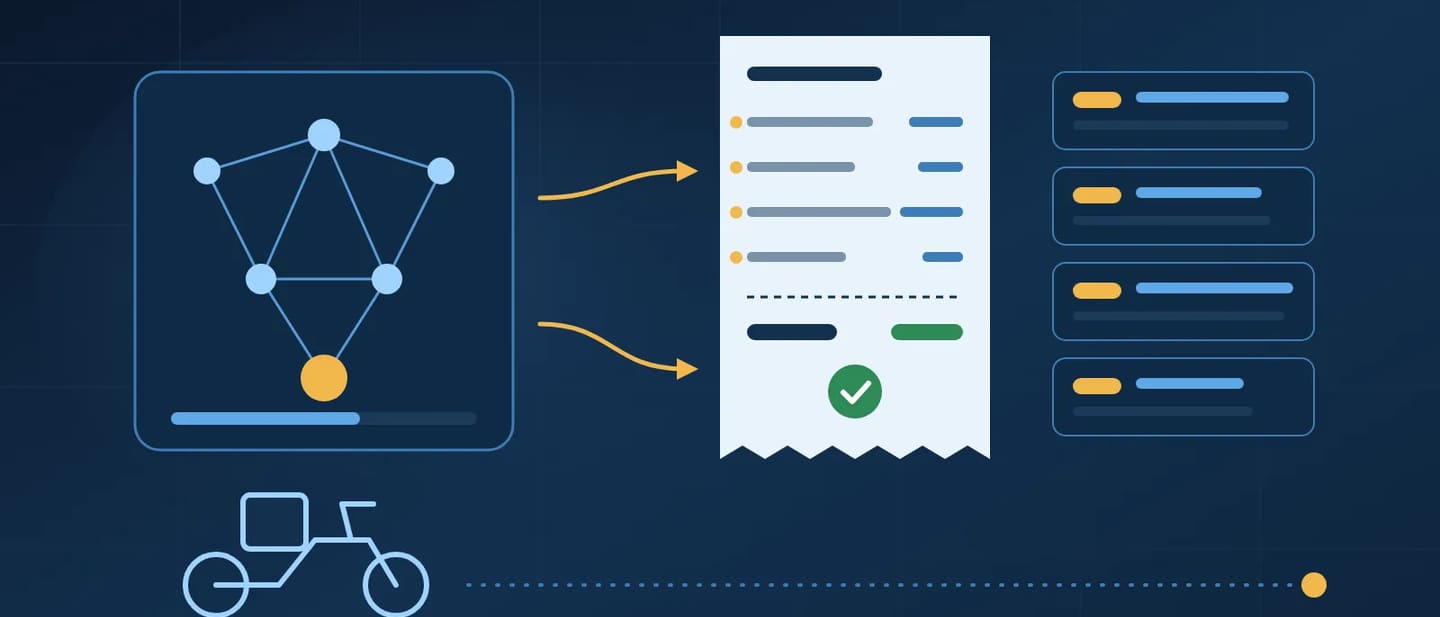
In practice, pricing formulas, incentive rules, and order-assignment logic can no longer live only in code, understood by a handful of people. They have to be explainable, recorded, and provable.
What Perpres 27/2026 covers
According to the Ministry of Transportation's release, the regulation covers passenger transport as well as goods and food delivery, under principles of fairness, safety, transparency, and sustainability. The provisions most relevant to systems are:
- A Platform Partnership Agreement that must be clear, fair, transparent, and easy to understand. It covers, among other things, rights and obligations, fee structure, incentive mechanisms, social security, access to transaction data, the use of automated algorithm-based systems, and complaint handling.
- Driver rights to transparent information on service fees and app fees, personal data protection, and an explanation of how automated algorithm-based systems are used.
- A complaint centre that is easy to reach, responsive, transparent, and documented, with a response no later than seven days after a complaint is received.
- An adjustment period of at most six months for partnership agreements, fee and income information systems, transaction receipts, and records for each type of service.
The division of authority is also clear. The Ministry of Transportation regulates passenger transport and its fares; the 8 percent platform fee cap was already set in a Ministerial Decree in force since 1 July 2026. For goods and food delivery, the Ministry of Communication and Digital Affairs (Komdigi) is authorised to set delivery fees under Article 11(4), and will regulate how platforms form prices in a Ministerial Regulation. The Ministry of SMEs oversees partnership agreements. Implementing rules are due by the end of December 2026 at the latest.
One number, many ways to calculate it
Why is this a systems question and not just a legal document? The clearest example comes from the field. In a Liputan6 report, the Indonesian Transport Workers Union (SPAI) said the 8 percent cut is not yet fully applied. By its calculation, the app service fee and an insurance fee are deducted first, and only then is the 8 percent commission taken from the remainder, so drivers receive roughly 34 percent less than what passengers pay. That is the union's claim, not a regulator's finding, but the pattern matters.
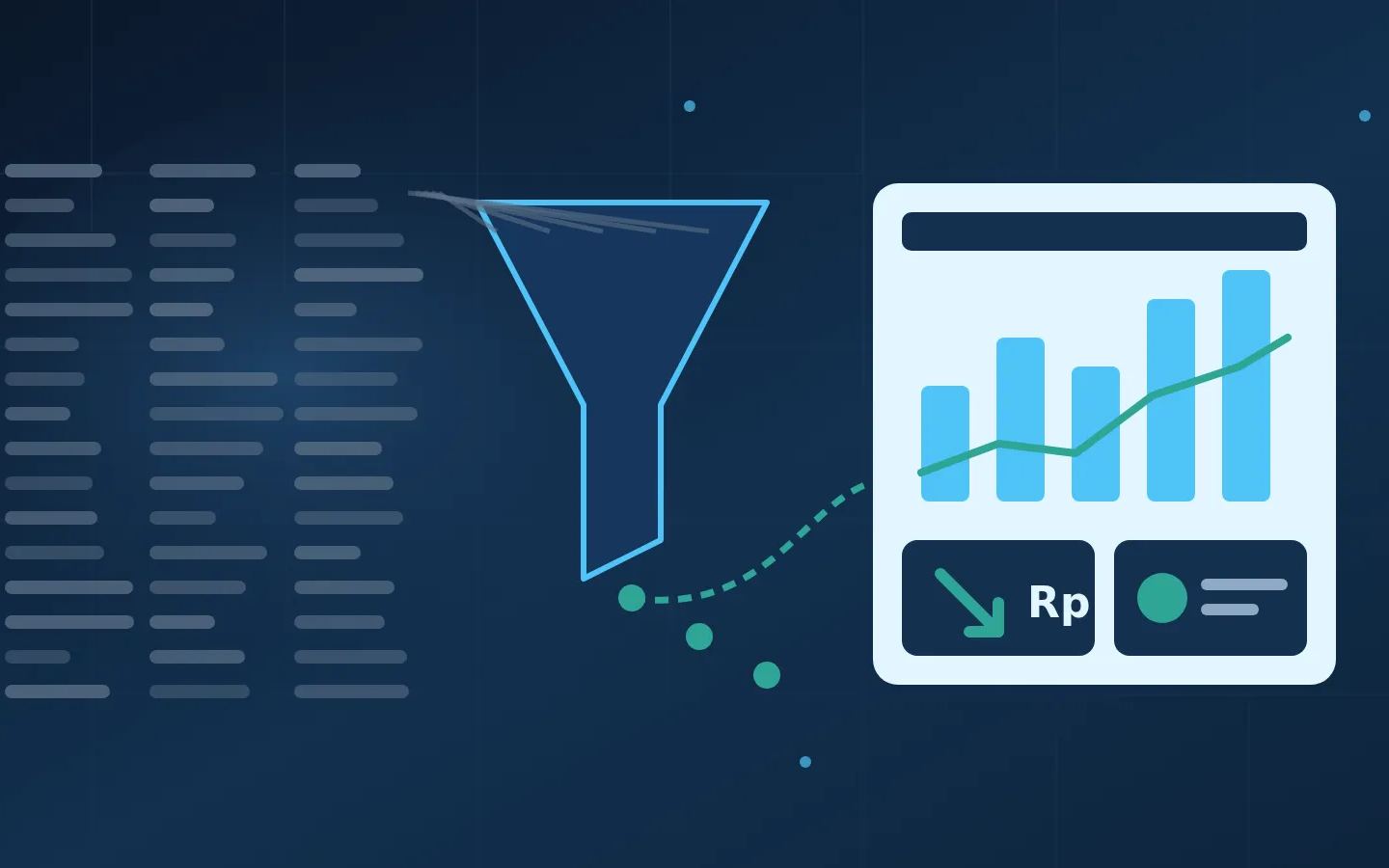
The same "8 percent" can produce very different earnings depending on the order of calculation, the base it applies to, and which components are treated as outside the commission. If that order exists only in code, a company will struggle to explain it to partners, resolve complaints within seven days, or prove compliance once the implementing rules arrive.
Not only the large ride-hailing apps
Perpres 27/2026 directly regulates platform-based transport app companies. Its impact, however, reaches beyond two or three big names:
- Logistics and courier companies that run their own apps for partner drivers should assess whether their business model falls within scope, especially for goods delivery.
- Merchants and businesses that depend on delivery. The Minister of SMEs said around 15 million SME merchants use digital platforms, so changes in delivery fees will be felt on the seller side.
- Other organisations that rely on automated decisions. The direction is consistent with Article 10 of the Personal Data Protection Law (UU PDP): data subjects may object to decisions based solely on automated processing, including profiling, that have a significant impact on them. RSM Indonesia notes that PP 33/2026, in force from 16 January 2027, details that right and lists automated decisions with significant effect as high-risk processing that requires a DPIA.
For a rural bank (BPR) using automated credit scoring, a local government screening aid recipients with system rules, or a company calculating field-staff incentives automatically, the question is the same: can you explain why the system decided what it decided? We covered the data protection side in our PP 33/2026 countdown, and the banking side in AI governance in banks.
Five technical homework items
- Inventory automated decisions. List every point where the system decides without a human: order assignment, dynamic pricing, incentives and bonuses, penalties, priority downgrades, and account suspension. For each one, record the business owner, the input data, and the impact on partners.
- Versioned rules and decision logs. Store pricing and incentive rules as versioned configuration, not numbers scattered through code. Every transaction records the rule version, inputs, and calculated result, so the calculation can be replayed exactly when there is a dispute.
- Receipts that explain. Transaction receipts show each fee component and the order in which it was applied. The breakdown on the partner's screen must come from the same data as the financial reports, not a separate calculation.
- Secure access to transaction data. Partners need access to their own transaction history, for example via export or an API, with access controls and personal data protection principles applied.
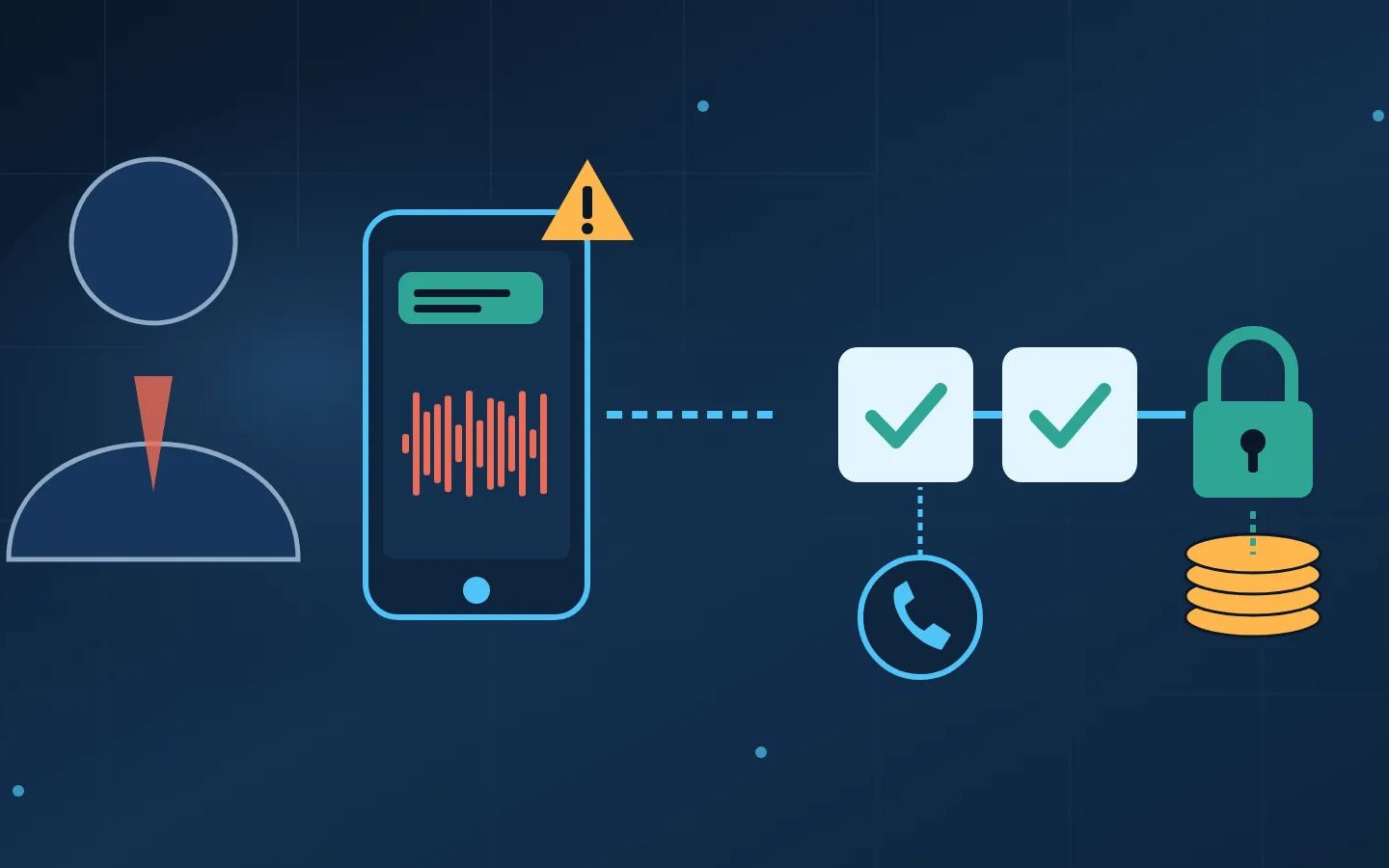
- Complaints linked to evidence. A complaint ticket automatically links the related transaction and decision log, carries a seven-day deadline with escalation, and offers human review for high-impact decisions such as suspension.
| Perpres 27/2026 obligation |
System component needed |
| Explain automated algorithmic systems |
Decision inventory + per-version logic documentation |
| Clear fee and incentive structure |
Versioned rule engine, per-transaction calculation log |
| Receipts and income information |
Fee breakdown from a single data source |
| Access to transaction data |
Partner export/API with access control |
| Complaints answered within 7 days |
Ticketing with SLA, links to logs, human escalation |
Wait for the ministerial rules, or start now?
The implementing rules are not out yet. According to Bisnis.com, the Ministry of Transportation is revising PM 12 of 2019 and KP 667 of 2022 jo KP 1001 of 2022 on guidelines for calculating motorcycle ride-hailing fees. Komdigi says it has already run simulations for goods and food delivery. Driver associations are also still waiting for the details.
The final formula may change, but the foundation will not: a decision inventory, versioned rules, replayable logs, and documented complaints will be needed whatever the Ministerial Regulations end up saying. Building them now turns a future formula change into a configuration update rather than an emergency project with a six-month deadline.
How MarkasDev can help
MarkasDev works as a Technology Partner for operational reliability, in three phases:
- Diagnose: map automated decisions, the flow of fee data from the app to finance, and gaps against Perpres 27/2026 and the UU PDP.
- Deliver: build a versioned rule engine, decision logs, receipt breakdowns, and complaint systems integration, with milestones and written acceptance criteria.
- Operate: a retainer with an SLA and monitoring, including tracking complaint deadlines and updating rules when the implementing regulations are issued.
If your pricing, incentive, or automated decision systems cannot yet be explained easily, book a Diagnose session before the adjustment period runs out.
Sources
- Ministry of Transportation, "Pemerintah Terbitkan Perpres No. 27 Tahun 2026" (10 October 2026): https://www.dephub.go.id/post/read/pemerintah-terbitkan-perpres-no.-27-tahun-2026,-menhub-dudy--berikan-kepastian-hukum-pengemudi-ojek-online
- Komdigi, Press Release No. 206/HM-KKD/10/2026 (9 October 2026): https://portal.komdigi.go.id/kanal-publik/berita-kini/10590
- Bisnis.com, "Perpres Ojol Terbit, Atur Potongan Platform hingga Jaminan Sosial Pengemudi" (8 October 2026): https://ekonomi.bisnis.com/read/20261008/98/2010928/perpres-ojol-terbit-atur-potongan-platform-hingga-jaminan-sosial-pengemudi
- Bisnis.com, "Kemenhub Siapkan 2 Aturan Turunan Perpres Ojol" (8 October 2026): https://ekonomi.bisnis.com/read/20261008/98/2010995/kemenhub-siapkan-2-aturan-turunan-perpres-ojol-rampung-desember-2026
- Liputan6, "Perpres Ojol Terbit, Asosiasi Pengemudi Tunggu Aturan Turunan" (10 October 2026): https://www.liputan6.com/bisnis/read/8310107/perpres-ojol-terbit-asosiasi-pengemudi-tunggu-aturan-turunan
- Article 10, Law No. 27 of 2022 on Personal Data Protection: https://pasal.id/peraturan/uu/uu-no-27-tahun-2022/pasal-10
- RSM Indonesia, "PP 33/2026: Six Implementation Priorities before 16 January 2027" (18 September 2026): https://www.rsm.global/indonesia/en/insights/pp-332026-six-implementation-priorities-16-january-2027