When a bank starts using AI to assess credit, detect fraud, or answer customers, the leadership question changes. It is no longer "can AI do this?" but "who is accountable when the AI is wrong, and how do we prove it to the supervisor?"
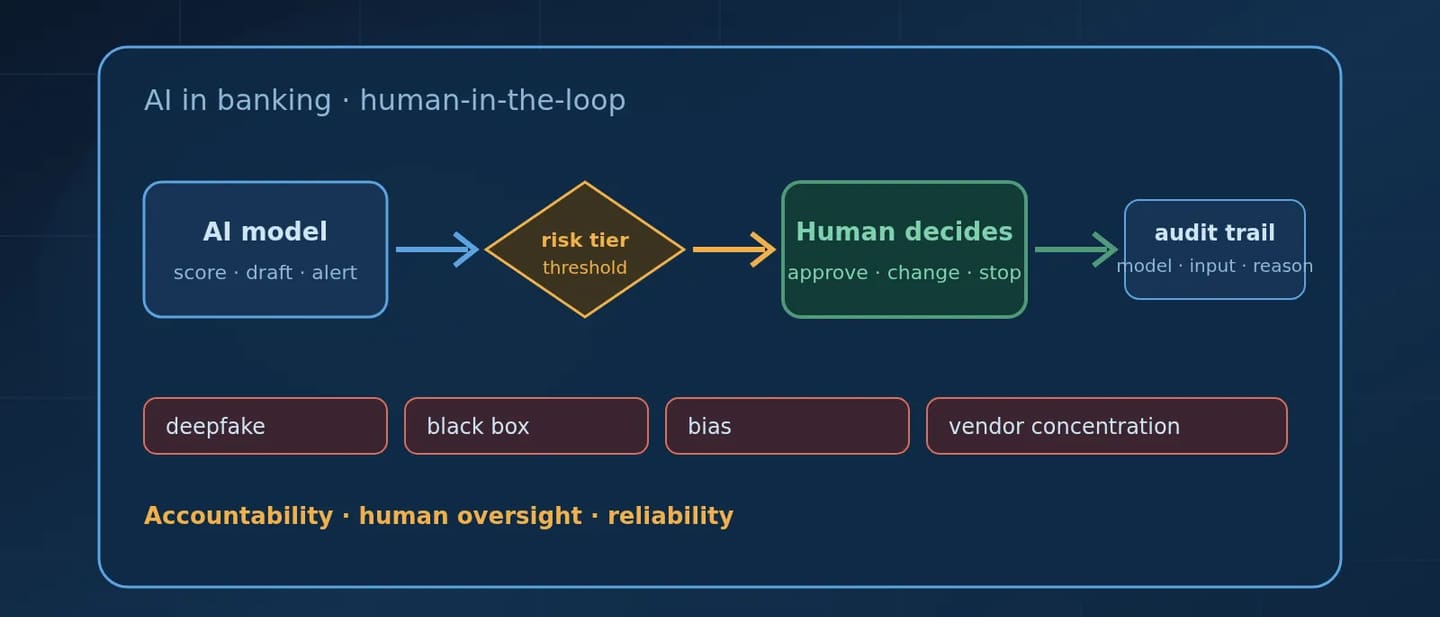
On 25 September 2026, OJK Deputy Commissioner Deden Firman Hendarsyah gave OJK's answer at an online seminar: however autonomously AI acts in banking, humans remain the ones who set direction, oversee quality, and make the final decision (human-in-the-loop). This article summarises what he said, sets it beside the OJK guidance already published in 2025, and turns it into practical steps.
We do not call this a new regulation. It is the regulator reaffirming its supervisory direction, on top of guidance that has existed since 2025.
What OJK said on 25 September 2026
According to ANTARA and Stabilitas, Deden outlined two groups of risk.
Model-level risks:
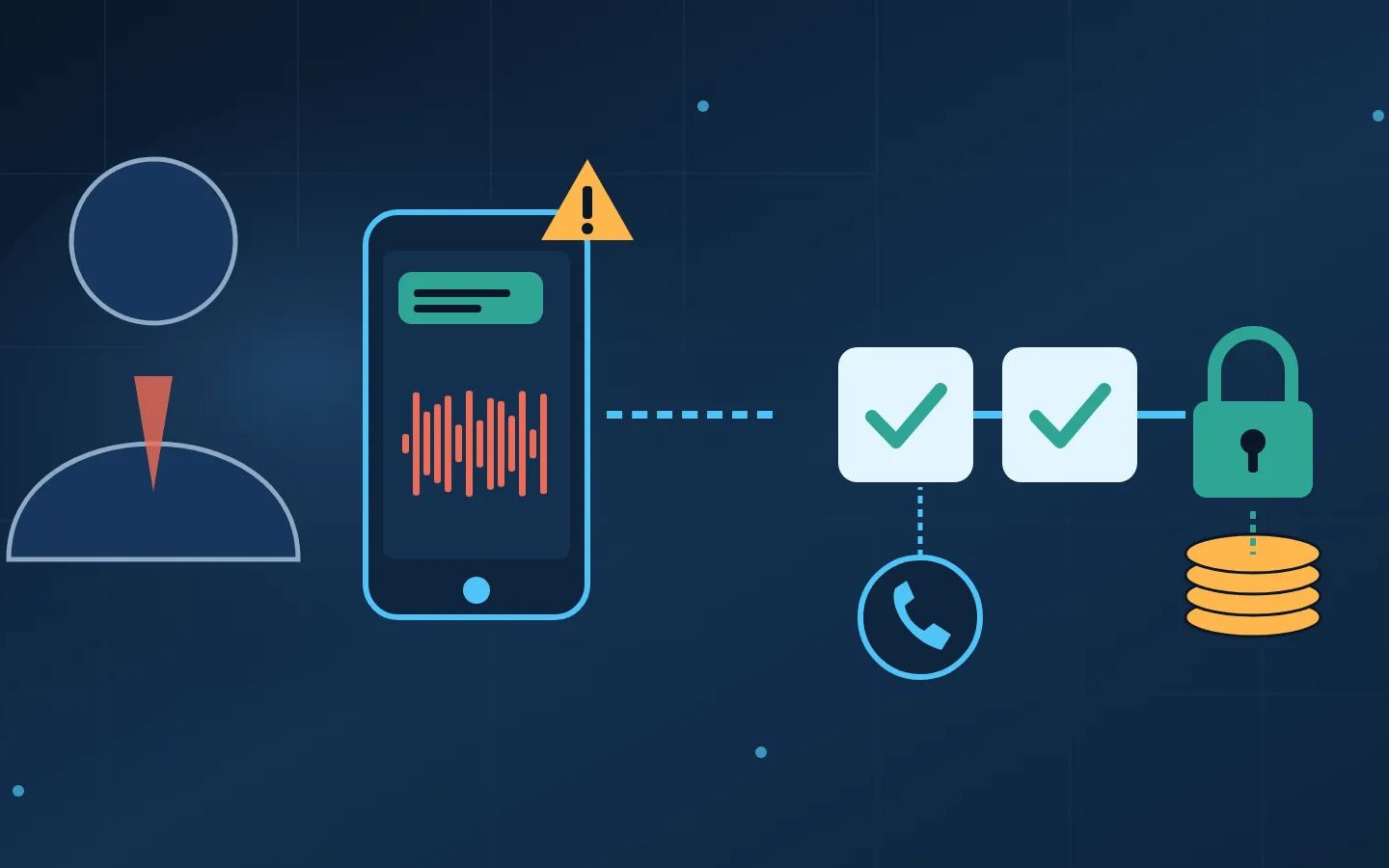
- Deepfakes that increase fraud and social engineering.
- Black box behaviour that makes AI decisions hard to explain.
- Bias that can produce unfair decisions.
- Cyber risks: data poisoning, adversarial attacks, and model theft.
Industry-level risks:
- Growing dependence on third-party technology providers.
- Market concentration among a few dominant players.
- More uniform behaviour across financial institutions.
According to Stabilitas, OJK uses a principle-based approach with three core values: accountability (process transparency and customer-privacy compliance), human oversight, and reliability (secure, robust, and explainable). The three operational pillars are people (competency training), process (policy, lifecycle risk management of AI, an AI committee, independent model audit), and technology (a transparent architecture built on security by design and zero trust).
One note of caution. Stabilitas's headline says OJK "released" a framework. In the two reports we opened, the content is a keynote presentation at an LPPI seminar, not a new regulation. We found no new regulatory document tied to that seminar.
The guidance that has existed since 2025
The relevant written reference is the guidebook on AI Governance in Indonesian Banking, launched by OJK on 29 April 2025. According to ANTARA, it serves as a minimum reference for banks and stresses managing the whole AI lifecycle: initiation, design, model building, testing, implementation, then evaluation and periodic audit. OJK also said banks need an AI Committee involving legal, compliance, risk, data science, cybersecurity, and customer service functions, either standalone or as part of the IT Steering Committee. The IT Steering Committee requirement itself already sits in Article 7 of POJK 11/POJK.03/2022.
For the wider IT governance context, see our article on OJK PADK 1/2026.
What this means for organisations in Indonesia
This section is our interpretation.
Commercial banks. You already have a minimum guide and now a verbal reaffirmation. What you need to prepare is evidence of work: an inventory of AI uses, their risk level, who owns each model, and the trail of human decisions.
Rural banks (BPR), local financial institutions, multifinance, and cooperatives. The 2025 guidance we read is addressed to banks, and we cannot confirm its scope for BPRs. Even so, the same pattern is worth copying, especially if you use third-party applications that include AI without you realising it: the question you must be able to answer is "who decides?", not only "what do we use?"
Other organisations, including local governments, regional enterprises, hospitals, and logistics firms, are not regulated by OJK, but the reader is the same: a leader who must answer when AI is wrong. OJK's list of risks, from black box to provider concentration, can be used as-is.
Six things to start this week
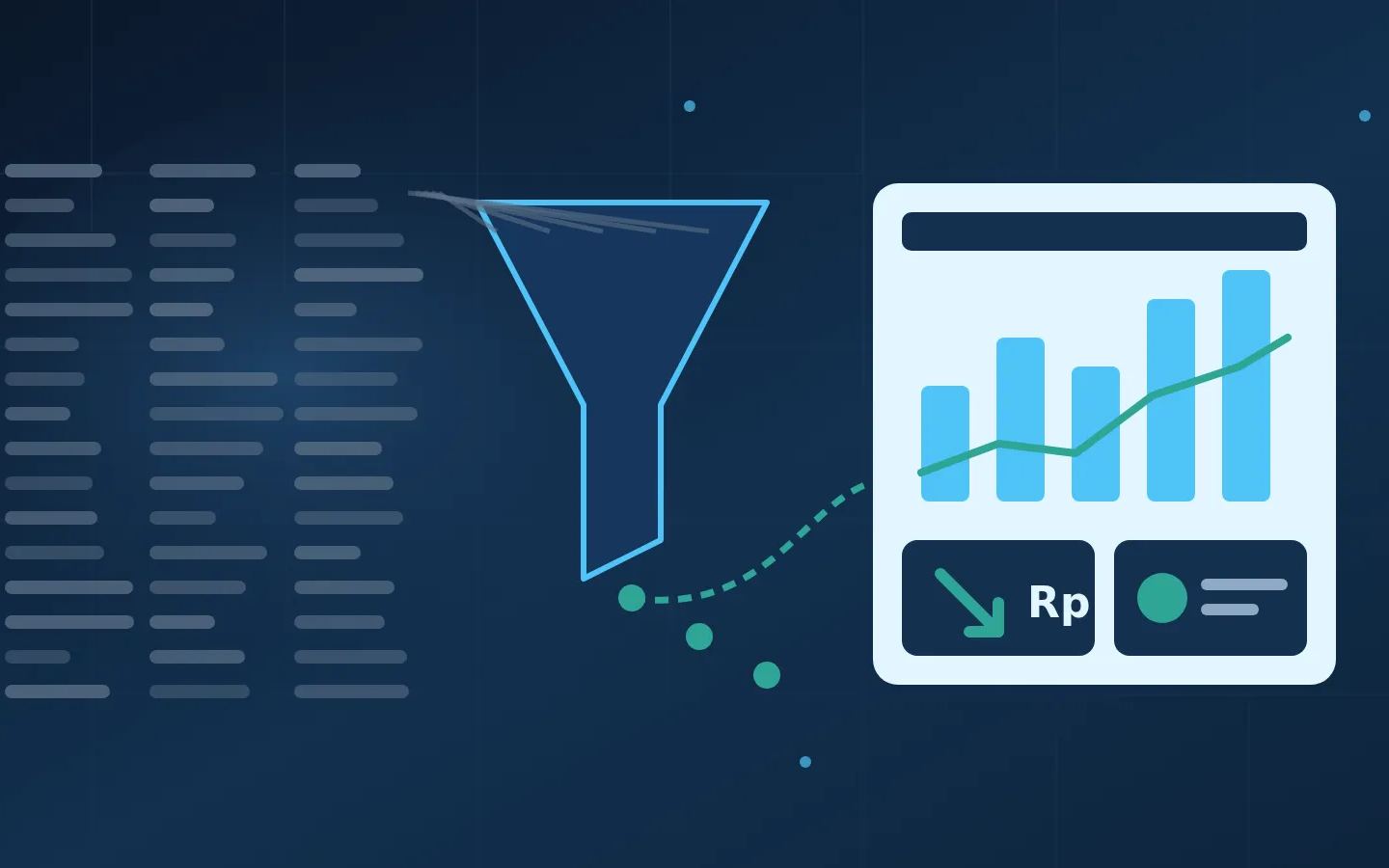
- List every use of AI. Include AI features embedded in third-party software. Without a list, there is no governance.
- Give each use a risk level. Answering customer questions is different from declining credit. Decide which decisions must never be final without a human.
- Design human-in-the-loop with limits. Write the threshold: above what value, or in which category, an AI decision must be approved by someone with authority. Make sure that person has the time and information to genuinely judge.
- Record decisions and reasons. So that "black box" is not an excuse. Keep the input, model version, output, and who approved or changed it.
- Prepare an exit plan from dependence. If one AI provider stops, what are the fallback and manual paths? The lessons of the AI agent access incident apply here: limit what can be accessed and done.
- Strengthen verification against deepfakes. For processes relying on voice, face, or documents, add a second check that does not depend on the same medium.
Steps 1 to 3 are Diagnose work: they produce a map of uses, risks, and options before budget is locked in. If you want AI inside processes that already run, with human control and safe data, that is part of our AI implementation service. We do not claim any particular AI product or OJK compliance certification.
Limits
This article is not legal advice and does not replace reading OJK's guidance itself. We quote OJK from media reports of one online seminar and coverage of the 2025 guidebook launch; we could not read the full text of OJK's official press release. We do not use the AI market figures cited in the seminar because they come from third parties we did not open.
Start with a list
The most useful first question: where does our organisation use AI today, and who is accountable for each use? If the answer is incomplete, we can help map it with written findings. Request a Diagnose via the contact page.
Sources
- ANTARA—OJK: AI in banking must be matched with governance and supervision (25 September 2026): https://www.antaranews.com/berita/5758720/ojk-ai-di-industri-perbankan-perlu-diimbangi-tata-kelola-pengawasan
- Stabilitas—Controlling 'black box' and deepfake risk, OJK releases a principle-based AI governance framework (25 September 2026): https://www.stabilitas.id/kendalikan-risiko-black-box-dan-deepfake-ojk-rilis-kerangka-tata-kelola-ai-berbasis-prinsip/
- ANTARA—OJK: Banks need to form an AI Committee to oversee governance (29 April 2025): https://www.antaranews.com/berita/4802981/ojk-bank-perlu-bentuk-komite-ai-untuk-awasi-tata-kelola