On 8 October 2026 Anthropic announced the Anthropic Cyber Mission: a long-term commitment to support defenders with tools, research, and resources. The first two areas are critical infrastructure (power, water, transport, government systems) and the open-source software that underpins almost every application. A day earlier, on 7 October, Cloudflare described a multi-agent security-operations harness already used in their Managed Defense service.
For leaders and operations managers in Indonesia, this is not an invitation to "buy Claude and become secure." It marks a shift: attacker-side AI is already widespread, and major vendors are now building defender AI as an operational programme, not a demo. The question moves from "can AI help security?" to "who decides, what evidence is used, and which systems may be touched?"
What Anthropic launched
The Cyber Mission opened with two concrete programmes.
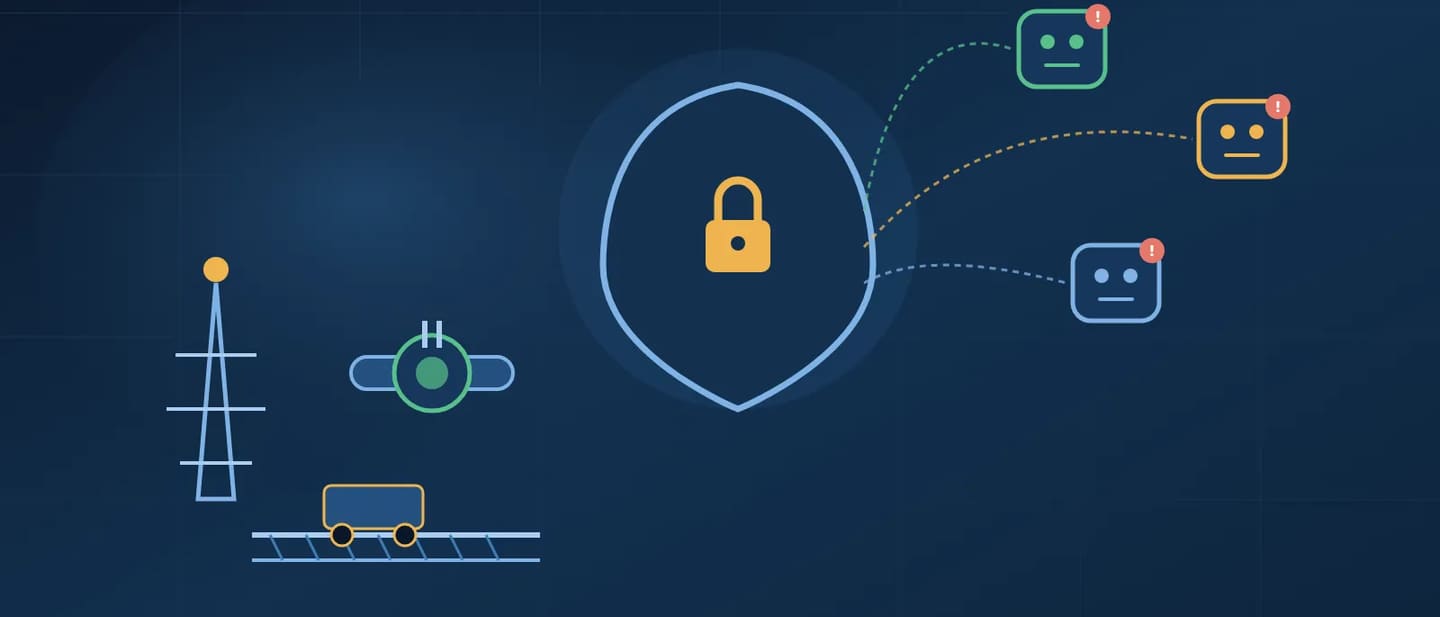
The Critical Infrastructure Defense Program (CIDP) brings frontier Claude models, on-site engineers, and threat research to the trusted providers that operators rely on to secure operational technology (OT): controllers, control software, and industrial networks that often cannot be taken offline to patch. Founding partners named include Accenture, Booz Allen, CrowdStrike, Deloitte, Dragos, Hitachi, Insane Cyber, Nozomi Networks, Palo Alto Networks, PwC, and Rockwell Automation. Anthropic stresses that OT is hard to defend in ways AI alone cannot fix, but frontier models can help find and repair weaknesses before they are used to cut power or make water unsafe.
OSS Scanner offers periodic scans from Anthropic's strongest models, free of charge, for enrolled open-source projects. Each report includes a proof of concept, an explanation, and a suggested fix when one is available. Reports are model-generated without human review, so they reach maintainers faster, but they can contain inaccuracies (for example a wrong severity rating). Anthropic expects a true-positive rate above 90 percent and will work to improve quality. For projects that cannot absorb that volume of findings, human-verified coordinated vulnerability disclosure remains the path.
The work builds on lessons from Project Glasswing: finding vulnerabilities is easier than ever, but verifying, prioritising, and fixing findings is still slow. Anthropic also folded Glasswing into an expanded Cyber Verification Program so more defenders can access the strongest models for defensive work.
The same pattern in Cloudflare's SOC
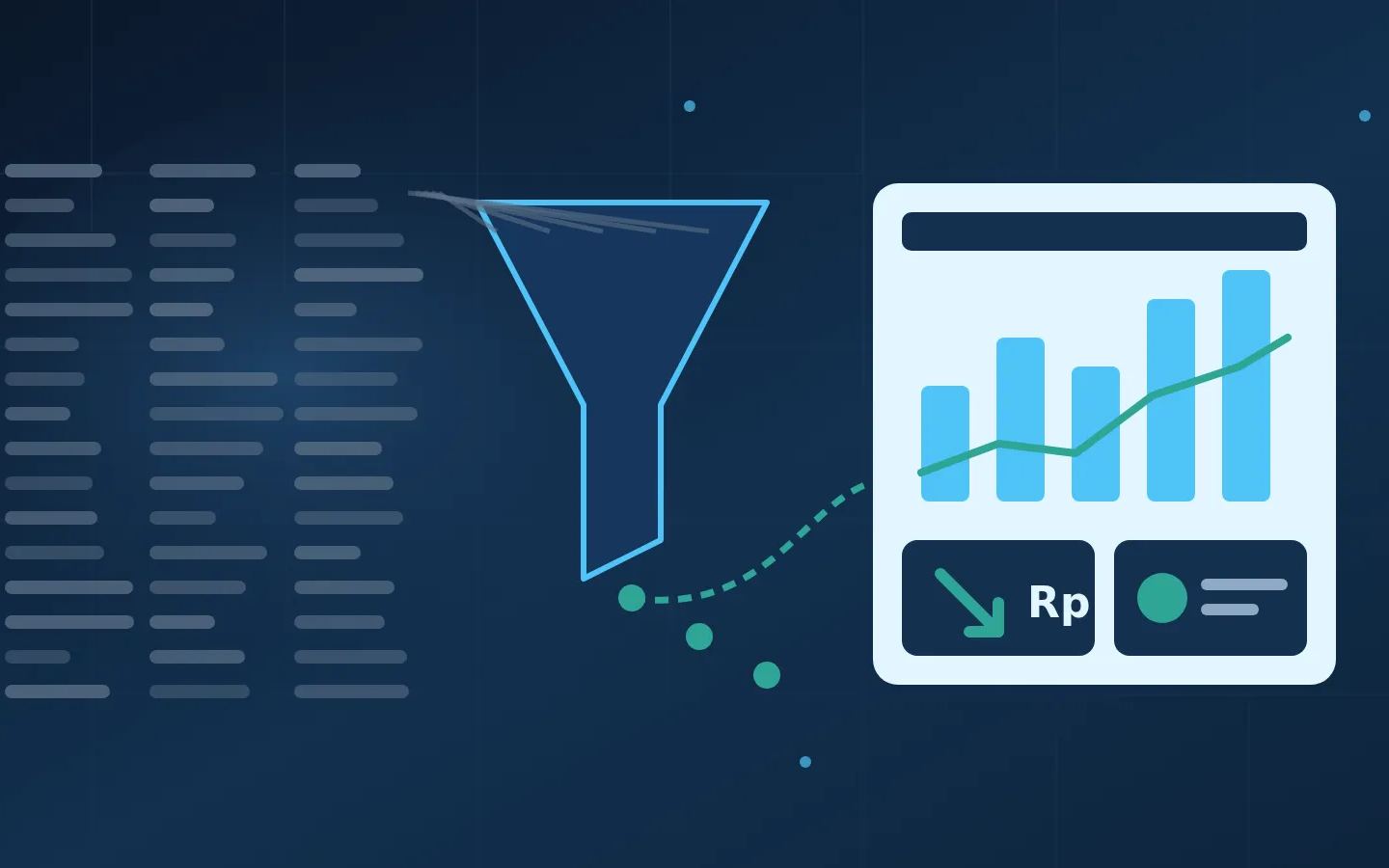
Cloudflare is not selling "one AI agent that clears every alert." They built a harness: deterministic code gathers evidence first (customer identity, detection history, traffic baseline, enforcement outcome), then specialist AI agents analyse bounded slices of that evidence. Initial scoring uses Clef, their open-source decision model; deeper analysis uses approved OpenAI Daybreak and Anthropic models (including GPT-5.6 Cyber and Mythos).
Three operational lessons from Cloudflare's write-up:
- A single general-purpose agent tends to hallucinate. Flattening telemetry, policy, and threat intel into one prompt blurs what counts as proof.
- Evidence is collected by code, not by the model. Tenant boundaries, time ranges, and data sources are enforced before inference.
- Humans still decide. Agents produce advice in terms analysts already use; analysts accept, revise, or group alerts into a case.
That matches the principle in AI agents need access limits: an agent without access limits and without a decision owner only accelerates chaos.
Shadow AI on the desktop is part of the attack surface too
On a related front, AI exposure-management platforms now extend inventory to Gemini, Claude, ChatGPT Enterprise, Copilot, plus MCP deployments, AI-native IDEs, and browser extensions. The practical message: sanctioned and shadow AI often arrive faster than security teams can govern them. Inventoring AI tools on endpoints and in the cloud is no longer optional if your organisation is adding agents or coding assistants.
What it means for organisations in Indonesia
Many organisations in Indonesia, including energy and utility regional SOEs, local government, healthcare facilities, and logistics firms, run a mix of modern IT and OT or critical apps that are rarely patched. The October 2026 trend does not ask you to sign up to a foreign vendor programme. It asks you to prepare the same foundations that make defender AI useful.
First, separate "finding" from "fixing". Vulnerability findings without an owner, a maintenance window, and a definition of "done" only grow a backlog. In OT, a patch often waits for a safe window; in IT, it can stall on a vendor or a dependency. Write those windows down before buying another scanner.
Second, inventory critical systems and the AI tools already in use. Who runs SCADA or industrial gateways? Which applications stop service when they go down? Which teams use AI IDEs, chatbots, or MCP into internal repositories? Without that map, AI implementation or an agentic SOC only expands a surface you do not know. That aligns with the inventory lesson in BSSN's CSIRT and post-quantum crypto warning.
Third, define evidence and the final decision-maker. If an AI agent proposes a patch or an alert classification, it must be clear which evidence may be cited, what is "not checked," and who signs off on action. Without that, you repeat the single-agent failure Cloudflare described.
Fourth, open source in your supply chain needs an owner. OSS Scanner speeds reports to maintainers of large projects. On your side, what you can do this week: list critical dependencies, watch advisories, and do not leave a critical library without a fix owner. We covered a similar pattern in software supply chain and SBOM.
Practical steps for this week:
- Map critical assets (IT and OT) with owners and change windows.
- Inventory AI already in use (official accounts, IDEs, extensions, MCP) and classify which data may enter them.
- Write the findings response flow: who triages, who decides, how long, and what is recorded as evidence.
- Pilot one defender-AI use case in a bounded space (for example dependency review or non-production alert triage) with written acceptance criteria.
- Do not replace patching process with a new dashboard until maintenance windows and rollback are clear.
At MarkasDev, this work sits in three phases. Diagnose maps critical assets, AI tools, and process gaps before a large budget is locked. Deliver builds inventory, gateways, or triage flows with written acceptance criteria. Operate keeps monitoring, scheduled patching, and findings response under an SLA.
If your organisation keeps services that must not go down, but still lacks an asset map and decision owners for security findings, request a Diagnose via the contact page. We start from the systems and tools already running today, not from a vendor feature list.
Sources