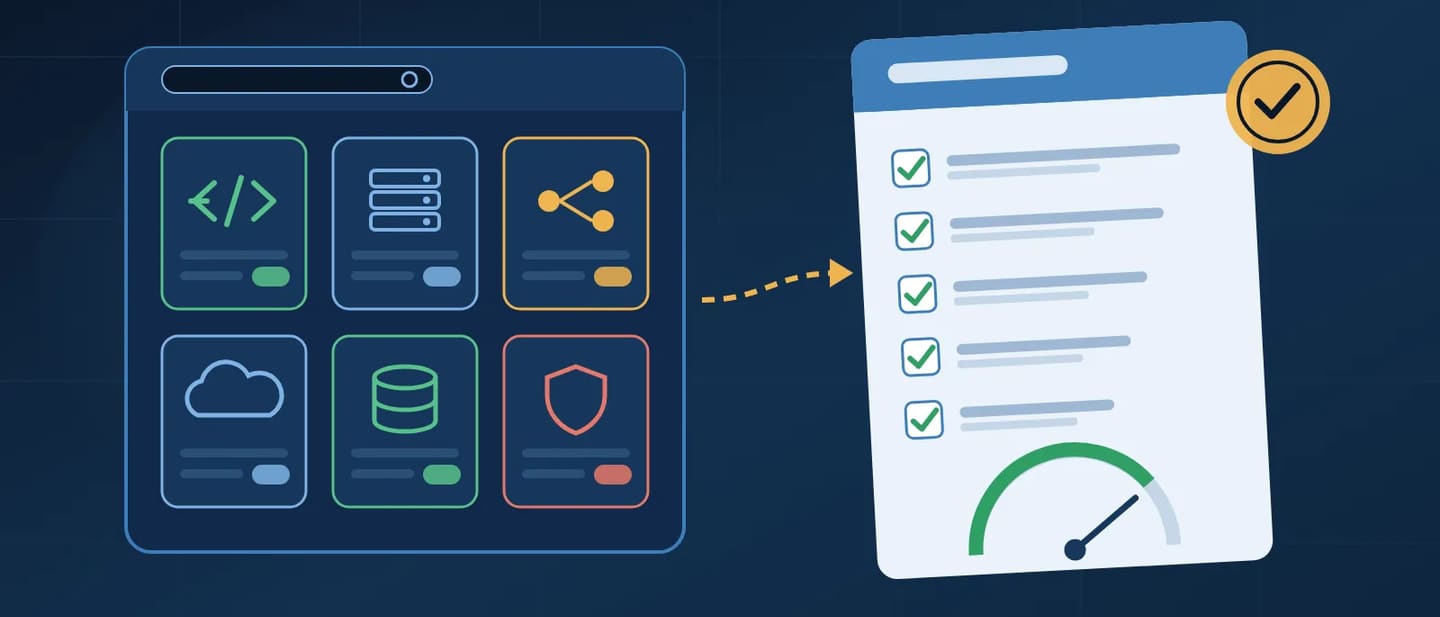
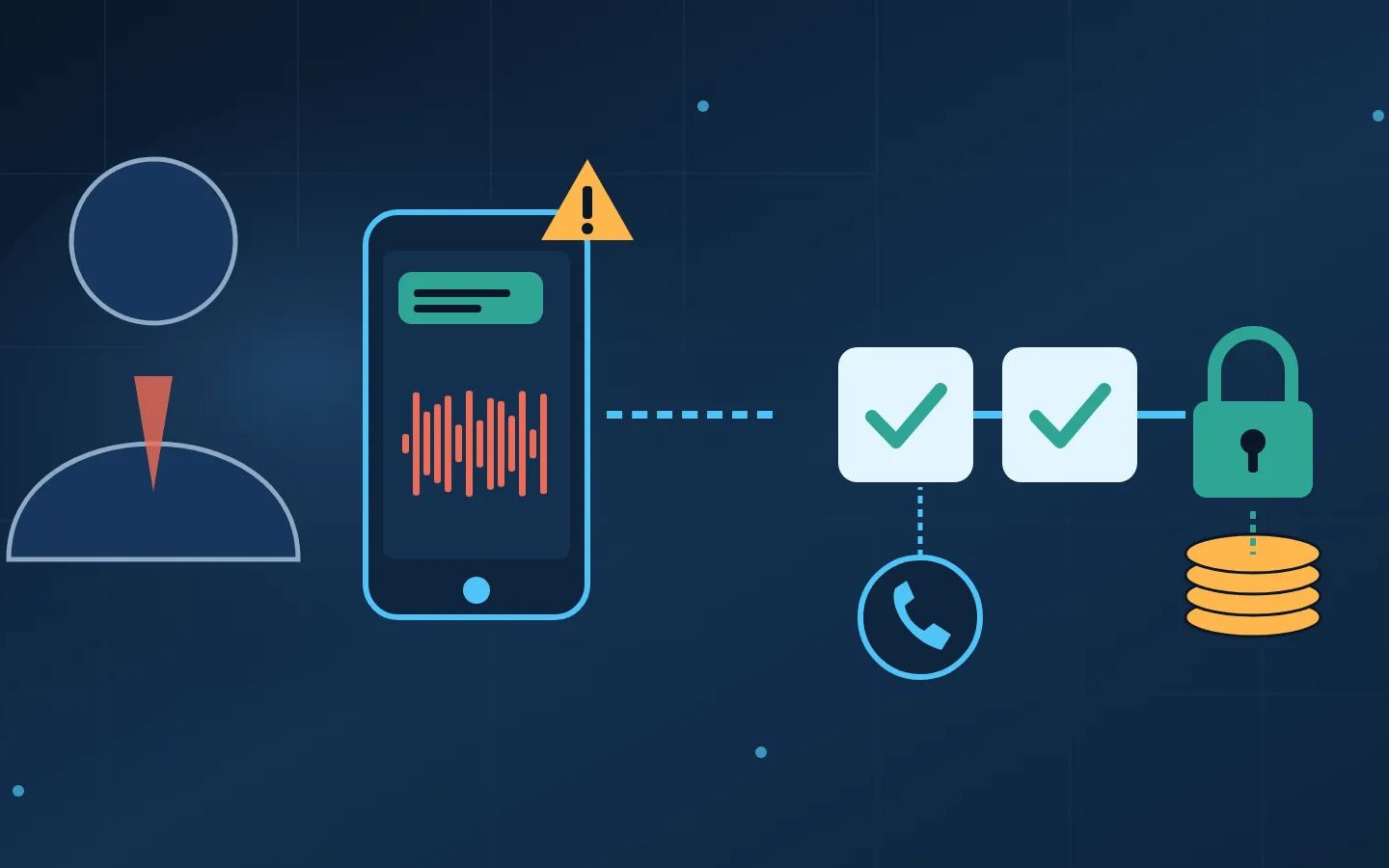
Since LKPP Regulation No. 2 of 2026 on the Electronic Catalogue took effect, one principle has become firmer: if the goods or services a government agency needs are already available in the Electronic Catalogue (e-Katalog), e-purchasing is mandatory. The regulation, signed by the Head of LKPP (Indonesia's National Public Procurement Agency) on 27 August 2026, revokes LKPP Regulation No. 9 of 2021 and, according to a summary by the law firm Assegaf Hamzah & Partners, has applied since 1 September 2026.
For procurement teams, this is good news: the process is faster and every transaction leaves a record. But for service owners buying information systems, integrations, or server services, some risks do not disappear when someone clicks "buy". Prices can be compared in the catalogue. The definition of "done", and who looks after the system after go-live, cannot.
What changes under LKPP Regulation 2/2026
These are the points most relevant to technology purchasing, summarised directly from the regulation text:
| Provision |
In short |
Article |
| Scope of e-purchasing |
Goods, construction work, other services, and consulting services |
12(1) |
| Obligation |
E-purchasing is mandatory when a ministry, agency, or local government's need is available in the Electronic Catalogue |
12(2) |
| Exceptions |
The catalogue cannot meet volume, technical specification, timing, location, and/or service needs, or another method is more efficient/effective; assessed by the PPK (commitment officer) through market analysis |
12(3)–(6) |
| Price reasonableness |
Owner's estimate (HPS) above IDR 100 million; price reference up to IDR 100 million (except direct purchase of fixed-price products) |
13 |
| Methods |
Direct purchase, price negotiation, or mini-competition (at least 2 providers with the same specification) |
14–17 |
| Online shop |
Transactions of at most IDR 50 million |
11(6) |
| Performance security |
For goods/construction/other services with contracts above IDR 200 million |
20 |
| Transition |
Existing catalogue systems must adjust within 1 year of promulgation |
22 |
One detail is easy to miss: the purchase order (Surat/Bukti Pesanan) is the contract form for e-purchasing (Article 1 point 21), signed electronically by the PPK and the provider in the catalogue system (Article 19). Anything not written in the order and its supporting documents will be hard to claim later.
Buying laptops through the catalogue is fairly simple: the specification is standard and handover is clear. Buying application development, integration with national services, or server management is different. The real value sits in things that never appear on a product page: whether legacy data is migrated, whether the API keeps working when other systems change, and who answers at 2 a.m. when a public service goes down.
Regulation 2/2026 already leaves room for caution. Before deciding on an exception, the PPK must run a market analysis that at least identifies provider availability, whether volume and technical specifications are met, whether providers can deliver on time, location, and service, category fit, and a price comparison with similar goods or services outside the catalogue (Article 12(6)). Article 12(5) also allows the PPK to be assisted by a competent party in the relevant field. For IT services, "technical specification" and "service" are where most of the risk lives.
A mini-competition is only meaningful when the specification is clear enough to compare two providers fairly. A vague specification produces a vague price comparison.
Five things to prepare before e-purchasing IT services
1. Write needs as outcomes, not feature lists
"A licensing app with 12 menus" is hard to test. "Applicants can apply, track, and receive permits online, with data synced to the core system within five minutes" can be tested. If your needs are not that clear yet, that is the sign your organisation needs a Diagnose phase before a large budget is locked in. We cover the signs in when an organisation needs a paid Diagnose.
2. Attach written acceptance criteria per stage
Split the work into stages that can be handed over, and for each stage write down what counts as a pass: test scenarios, sample data, response-time targets, and documents to be delivered. This is how the Deliver phase works: milestones with written acceptance criteria. Handover then no longer depends on the impression that "it seems to work".
3. Make the market analysis defensible
If the catalogue does not meet the need, record the reasons item by item, following Article 12(6). If it does, record why a particular package was chosen. For values above IDR 100 million the PPK must set an HPS, so separate the cost components (development, licences, infrastructure, support) from the start.
4. Buy the operating period, not only the build
A system used by citizens or customers must be looked after after go-live: monitoring, security updates, backup verification, and incident response targets. Write down the SLA and escalation path, and make sure next year's budget exists. We explain the difference between "fix it when it breaks" and a measurable retainer in Maintenance vs Operate.
5. Keep ownership and access with the agency
State in the order documents who holds the source code, cloud accounts, domains, admin credentials, and data. Ask for handover documentation and an exit plan in case the provider changes. For packages above IDR 200 million, remember that performance security applies (Article 20), so handover obligations should be written clearly from the moment the order is created.
Notes for local governments and regional SOEs (BUMD)
Local governments manage the Local Electronic Catalogue, including proposing and curating product collections and helping local businesses list their products (Article 8). Catalogue systems already built have at most one year to adjust (Article 22), while e-purchasing already under way before the regulation took effect is completed under the old rules (Article 23).
BUMD are excluded from the definition of "Other Institutions" in Article 1, but Article 12(9) and (10) open e-purchasing to agencies, institutions, or businesses outside ministries and local governments that request access from the catalogue manager. For a BUMD that wants to use the catalogue for IT purchases, the five preparations above still apply. Wider context on how the catalogue has evolved is in our public case analysis of the LKPP e-Catalogue.
Quick checklist
Closing
LKPP Regulation 2/2026 makes the catalogue ever more the main purchasing channel. That speeds up transactions, but system quality is still decided by what is written before the transaction: the expected outcome, how to test it, and how to look after it after go-live. If your team is preparing an information system or integration package for the next budget cycle and wants its specification and acceptance criteria tested first, request a Diagnose via the contact page.
Sources